
Why Professional Basement Waterproofing in Rockford, IL Provides Lasting Protection
Basement water intrusion in Rockford, IL threatens structural soundness, indoor air quality, and long-term property value. Professional basement waterproofing stops recurring leaks by combining thorough diagnostics, engineered drainage, and targeted repairs that restore safe, usable below-grade space. This article walks homeowners and property managers through how professional waterproofing works, why long-term systems outperform quick fixes, and which approaches suit Rockford’s soils, drainage patterns, and freeze–thaw cycles. You’ll find clear explanations of benefits, a side-by-side look at interior and exterior solutions, how foundation repair fits into a waterproofing plan, practical sump pump guidance, differences between DIY and pro work, common local water issues and fixes, an FAQ on cost and timing, and steps to pick a qualified Rockford contractor. Throughout, we focus on local conditions, technical mechanisms like hydrostatic pressure control, and straightforward checklists so you can make confident, lasting decisions.
Key Benefits of Professional Basement Waterproofing Services
Professional basement waterproofing delivers measurable protection: it stops water entry, lowers hydrostatic pressure on foundations, and installs engineered drainage that routes groundwater away from vulnerable walls and floors. By tackling root causes—saturated soil, poor exterior grading, and failing interior joints—professionals cut ongoing repair costs and preserve a home’s structural integrity for years. Controlling moisture also improves indoor air quality by limiting mold growth, reducing humidity, and allowing vapor barriers and dehumidifiers to work as intended. Below we explain how those structural and health benefits come from specific systems and techniques used in Rockford basements.
How Professional Waterproofing Protects Structural Integrity
Water forces can accelerate concrete deterioration and settlement; professional waterproofing reduces those forces by lowering the hydrostatic head and sealing or draining likely entry points before cracks widen. Interior drain tile systems and exterior membranes act at different control points—either removing water or blocking it—so technicians evaluate soil drainage and foundation condition and then add repairs like crack injections or underpinning where needed. Fixing structural mechanics first keeps small problems from growing and lets waterproofing systems perform reliably over the long term.
How Waterproofing Improves Indoor Health and Prevents Mold
Managing basement moisture cuts mold spore growth, reduces damp-related allergens, and limits the release of volatile organic compounds that harm indoor air quality. Professionals combine waterproofing with vapor barriers, crawl space encapsulation, and dehumidification to keep relative humidity below levels that support mold—generally under about 50%. Those integrated measures stop active leaks and establish ongoing moisture control, lowering the need for repeat mold remediation and helping preserve finishes, stored items, and occupant comfort.
Environmental Control for Fungal Allergen Exposure: Moisture and Mold Prevention
Appropriate building design—keeping rainwater and groundwater away from the interior—is a central prevention strategy. HVAC systems should be sized and maintained correctly, and indoor water sources (plumbing, appliances, showers) need routine care to avoid leaks. Controlling indoor humidity prevents condensation on walls and in microenvironments like basements, attics, and under carpeting.
Environmental control for fungal allergen exposure, 2003
Which Long-Term Basement Waterproofing Solutions Work Best in Rockford, IL?
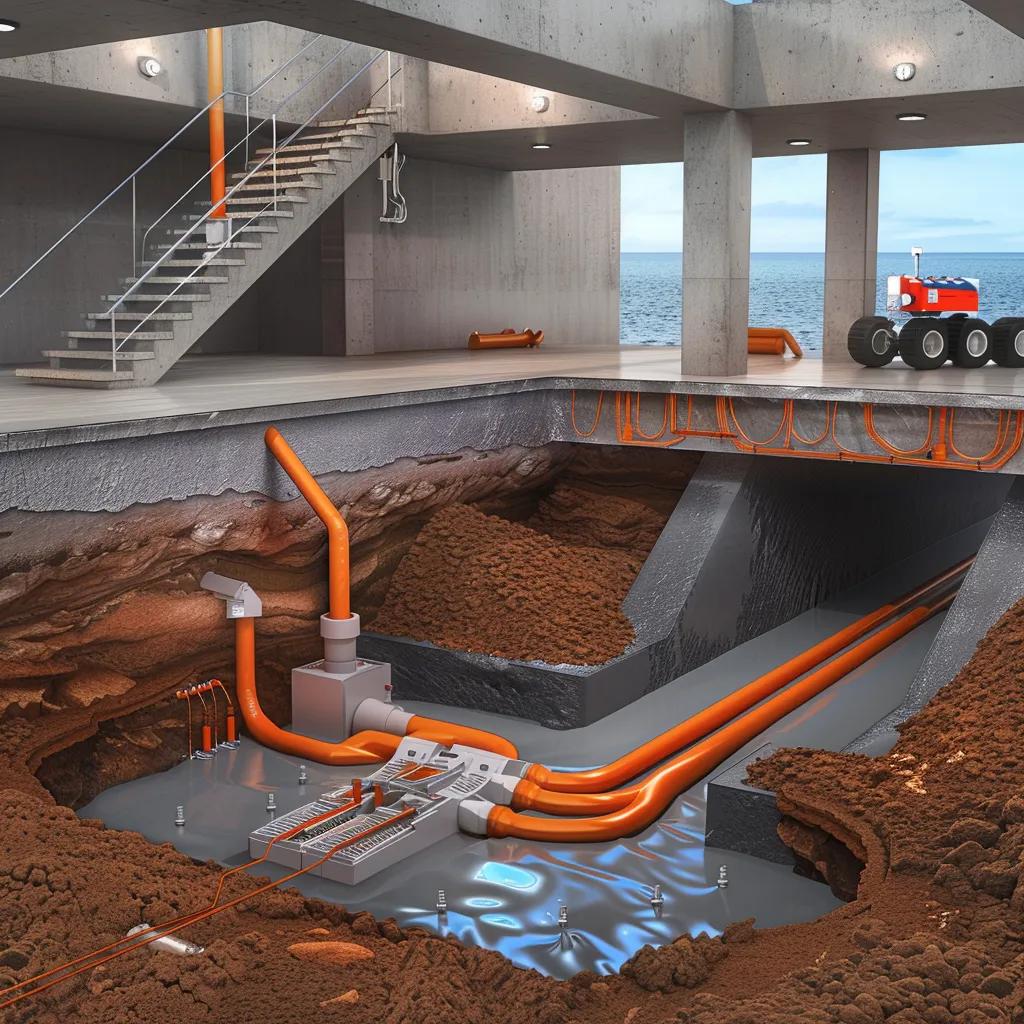
Long-term waterproofing in Rockford relies on two complementary strategies: redirecting groundwater with drainage systems and protecting foundation surfaces with interior or exterior barriers. Drainage lowers the hydrostatic head that drives water into basements; membranes and coatings reduce capillary and lateral entry. The best combination depends on soil type, yard grading, the foundation’s condition, and whether structural cracks exist—factors Rockford contractors evaluate during inspection. Below is a concise comparison of interior and exterior strategies to help homeowners choose a durable plan.
Different methods address groundwater and wall penetration in distinct ways.
This comparison shows why many Rockford projects combine drainage and barrier approaches to balance cost, lifespan, and disruption.
After choosing the right system, contractors commonly pair drainage and barrier solutions for redundancy and long-term performance. For many Rockford basements, an interior drain tile tied to a reliable sump pump manages hydrostatic pressure effectively without requiring full exterior excavation.
Local contractors align system selection with practical outcomes and available services. Typical offerings include sump pump installation, French drain installation, interior drain tile, exterior membrane application, crawl space encapsulation, and basement crack repair to form an integrated, long-lasting solution.
Why Foundation Repair Matters for Basement Waterproofing in Rockford
Foundation repair is often necessary because water intrusion and structural movement feed each other: cracks, settlement, or bowed walls create entry points for water, while persistent moisture accelerates material degradation and settling. Repair restores load-bearing continuity so waterproofing systems can do their job instead of temporarily hiding a deeper problem. Inspectors look at crack patterns, wall deflection, and floor settlement to decide whether injections, carbon-fiber reinforcement, or piering are needed before or alongside waterproofing. Addressing structural issues first prevents recurring leaks and protects your investment.
How Foundation Crack Repair Prevents Further Damage
Crack repairs—epoxy or polyurethane injections and mechanical reinforcement—seal leakage paths and stop progressive damage by restoring continuity across joints and voids. Epoxy injections are chosen when structural load transfer must be re-established; flexible polyurethane is used to stop active leaks because it expands and seals under pressure. The right method depends on whether a crack is structural or non-structural. When repairs are integrated with surrounding waterproofing, injections aren’t undermined by ongoing groundwater pressure or unchecked settlement.
Signs of Foundation Settlement and How They’re Fixed
Look for diagonal cracks in walls or floors, doors and windows that stick, and uneven or sloping floors—these often point to bearing loss or soil movement and should prompt a professional evaluation. Fixes range from targeted underpinning with helical piles or concrete piers to localized grouting that fills voids beneath footings; the choice depends on soil conditions and load needs. Early detection through visual checks and inspection reduces repair scope and cost, and combining stabilization with waterproofing prevents moisture-driven recurrence.
How Sump Pump Installation Strengthens Basement Waterproofing in Rockford, IL
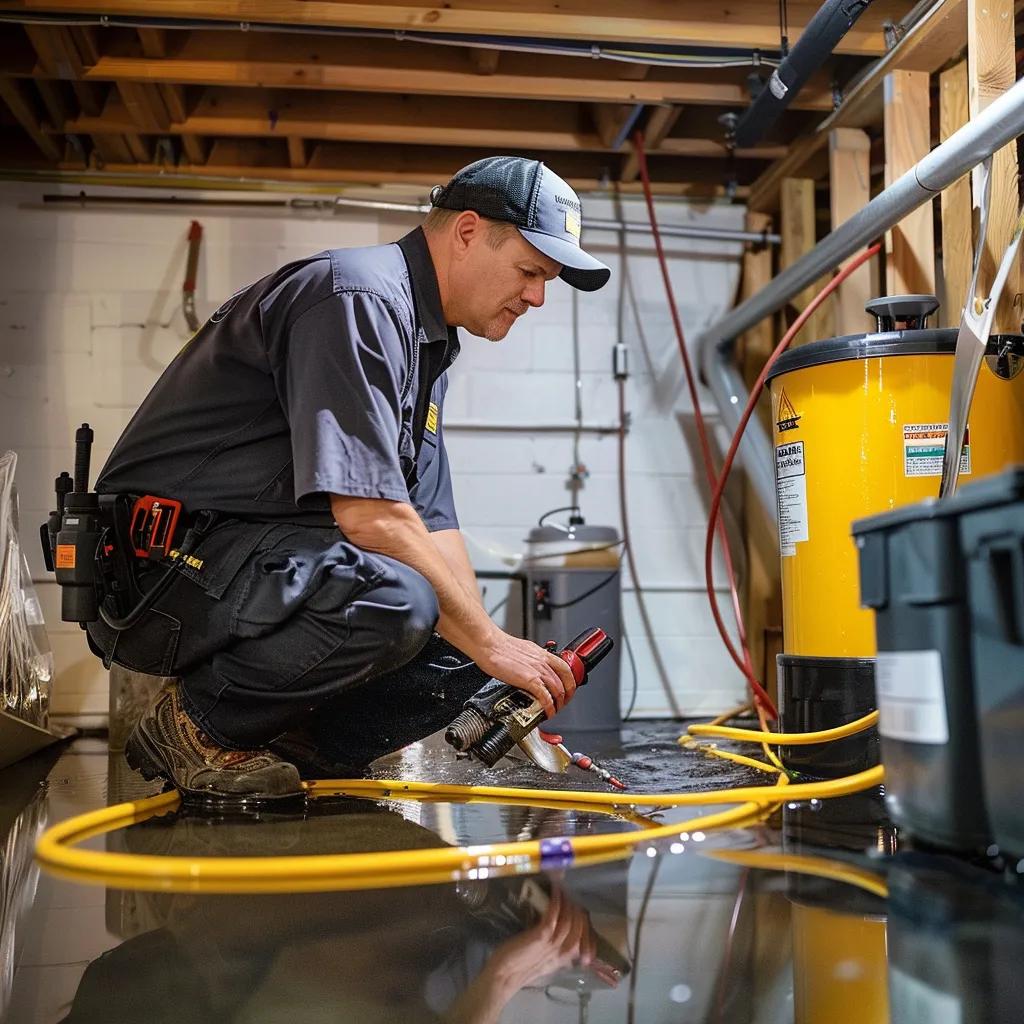
A sump pump actively removes collected groundwater from interior drains, turning passive drainage into reliable discharge and significantly lowering hydrostatic pressure around foundation walls. A correctly sized pump ensures an interior drain tile or French drain can cope with heavy rains and rapid snowmelt common to Rockford’s seasons. Proper basin placement, check valves, and discharge routing prevent backflow and surface pooling; pairing pumps with battery backup improves resilience during power outages. The sections that follow compare pump types and outline homeowner maintenance steps to keep systems dependable.
What Sump Pump Types Work Best in Rockford Basements?
Common sump pump types are submersible, pedestal, and battery-backup units—each has advantages for Rockford’s climate. Submersible pumps sit in the basin, run quietly, and handle higher continuous flow. Pedestal pumps keep the motor above water for easier service but are typically noisier. Battery-backup pumps provide essential redundancy during outages so basins don’t overflow during storms. Professionals select pump horsepower and switch type based on expected inflow rates and basin size to ensure reliable operation.
How Homeowners Should Maintain Their Sump Pumps
Regular maintenance reduces failure risk when pumps are needed most. Inspect the basin for debris, test the float switch monthly, confirm discharge lines are clear and routed away from the foundation, and exercise battery-backup units seasonally. Schedule an annual professional inspection for capacity testing and electrical checks to catch worn bearings or clogged impellers before they fail. A simple, repeatable maintenance routine extends pump life and helps keep basements dry.
If you prefer professional installation and ongoing maintenance, Basement Waterproofing Rockford IL provides quality service and can help select and install sump pumps, battery backups, and related drainage components. To request a consultation, call or email to schedule an in-person inspection and estimate.
How Professional Waterproofing Differs from DIY Solutions
Professional waterproofing stands apart from DIY fixes in diagnostic depth, engineered system design, and installation quality—all of which determine long-term performance and return on investment. Professionals use diagnostic tools to evaluate soil drainage, hydrostatic pressure, and foundation condition, then propose integrated solutions rather than temporary patches that often fail under seasonal stress. Warranties, component testing, and adherence to best practices reduce recurrence risk, while trained installers ensure proper slope, discharge, and seal continuity.
How Local Expertise Improves Waterproofing Results
Local experience matters: Rockford’s soil types, freeze–thaw cycles, and regional construction practices shape both the risk of intrusion and the best remedies. Contractors familiar with local drainage patterns know where subsurface water tends to collect, how municipal storm systems affect basements, and which materials resist Illinois seasonal stresses. That knowledge helps them combine interior drains, exterior membranes, and grading corrections that match your site and reduce the chance of under-specifying a system.
What Guarantees and Warranties Should You Expect?
Professional waterproofing usually comes with workmanship guarantees and manufacturer warranties that protect homeowners from premature failures and component defects. Typical coverage includes labor and installation integrity for a defined period and manufacturer warranties for pumps and membranes. Ask about terms, transferability, and what’s included so you understand recourse if a system underperforms. Clear warranty terms align incentives for contractors to deliver durable installations.
Common Basement Water Problems in Rockford, IL — and Professional Fixes
In Rockford, basements commonly suffer hydrostatic pressure–driven seepage, leaky wall–floor joints, and moisture-related odors and mold—each needing a specific professional strategy. Pros map problems to solutions: manage hydrostatic pressure with drain systems and sump pumps, seal or structurally repair wall cracks, and treat humidity issues with encapsulation and dehumidification. Prioritizing water removal over cosmetic patches prevents recurring damage and preserves both structure and indoor environment.
How Hydrostatic Pressure Causes Basement Leaks
Hydrostatic pressure builds when groundwater gathers around foundations and pushes against walls and floors, forcing water through pores, joints, and cracks. This pressure spikes after prolonged rain or rapid snowmelt. Treating hydrostatic pressure means lowering the groundwater head with exterior grading, French drains, interior drain tile systems, and dependable sump pumps that actively remove collected water. Sealing alone rarely stops problems driven by pressure, so professionals design drainage-first solutions to reduce the forces on foundation walls.
Solutions for Musty Odors, High Humidity, and Mold
Fixing musty smells and mold requires both stopping liquid water entry and controlling ambient humidity. Effective measures combine waterproofing repairs, vapor barriers and crawl space encapsulation, and correctly sized dehumidifiers. If mold is already present, remediation to remove contaminated materials and treat surfaces is paired with moisture-control work to prevent recurrence. Long-term monitoring—regular humidity checks and ensuring drainage and discharge remain clear—completes the strategy and protects occupant health.
Frequently Asked Questions
What causes basement water intrusion in Rockford, IL?
Most basement leaks in Rockford are driven by hydrostatic pressure—groundwater that builds up around the foundation and pushes through cracks and porous materials. Other contributors include poor yard drainage, inadequate grading, heavy rainfall or rapid snowmelt, and structural problems such as foundation cracks or bowed walls. Identifying the root cause is key to choosing an effective waterproofing solution.
How can I tell if my basement needs waterproofing?
Signs include visible water stains, wet spots on walls or floors, musty odors, mold growth, and persistent condensation. Structural clues—cracks in the foundation, doors or windows that stick, or uneven floors—can also indicate moisture-related issues. Regular inspections after storms help catch problems early and reduce repair costs.
How long do waterproofing solutions last?
Lifespans vary by method and site conditions. Interior drain tile systems typically last 15–30 years; exterior excavation with membrane can last 20–40 years; cementitious coatings often last 5–15 years depending on exposure. Regular maintenance and proper installation extend service life.
Can I waterproof my basement myself?
DIY steps like applying sealants or running a dehumidifier can help temporarily, but they usually don’t address underlying causes such as hydrostatic pressure or structural damage. Professional waterproofing offers a diagnostic-driven, engineered approach that targets root problems to provide long-term results.
How do I choose the right waterproofing contractor?
Look for local experience, written inspection reports, itemized quotes, references from similar projects, insurance, and clear warranty terms for both workmanship and components. Ask about diagnostics and maintenance plans to ensure the contractor prioritizes long-term performance over quick fixes.
What maintenance is required after waterproofing?
Inspect sump pumps and drainage lines periodically, clear debris from discharge outlets, and check for new signs of moisture. Exercise and test battery backups seasonally and schedule annual professional inspections to catch wear or blockages before they cause failures. Consistent maintenance helps protect your investment.
Why Professional Basement Waterproofing Matters for Homeowners
Professional waterproofing protects property value, occupant health, and structural safety by treating the root causes of water intrusion instead of masking symptoms. Professionals combine diagnostics with engineered systems—drainage, sealing, and structural repair—to prevent recurrence and often reduce long-term maintenance compared with repeated DIY fixes. Hiring a pro also gives you warranties and documented installation standards, so you have clear expectations and recourse if problems persist.
How Much Does Basement Waterproofing Cost in Rockford, IL?
Costs depend on scope—simple crack injections, interior drain tile plus sump pump, full exterior excavation and membrane, or combined foundation stabilization—and on basement size, access, and condition. The table below summarizes typical local ranges and expected durations to help with planning; an on-site inspection is required for an accurate quote. Below the table we note the main cost drivers that affect project budgets.
Balancing invasiveness, longevity, and budget is essential. Professionals provide tailored quotes after inspection so you know which cost drivers—access, soil conditions, structural repairs, and chosen materials—drive your project estimate.
Ready to Protect Your Basement? How to Choose the Right Waterproofing Contractor in Rockford
Choose a contractor with local experience, a clear scope of work, transparent warranties, and a diagnostic-first approach that prioritizes long-term performance. Ask for written inspection findings, recommended system combinations, itemized quotes, and references from nearby projects. A structured selection process lowers the risk of underperforming solutions and ensures accountability for durability and follow-up service.
What to Look for When Hiring a Basement Waterproofing Expert
Confirm the contractor provides a detailed written inspection, specifies systems and materials, and outlines warranty terms for workmanship and components. Ensure proposals include soil grading, drain routing, and foundation condition diagnostics, and request references for similar local jobs. Verify insurance and a local business presence, and favor contractors who discuss maintenance and post-installation monitoring to sustain results.
How to Contact Basement Waterproofing Rockford IL for a Consultation
Basement Waterproofing Rockford IL offers local assessments and tailored recommendations for Rockford properties. To request a consultation, call or email to schedule an inspection and receive a written estimate. When you contact us, have basic property details ready—basement size, visible symptoms, and preferred inspection times—and our technician will explain next steps, inspection scope, and expected timelines. For in-person visits, our address is listed so you can confirm local service availability and plan the meeting.
- Phone: 815-420-4644
- Email: info@basementwaterproofingrockfordil.com
- Address: 711 Harrison Ave, Rockford, IL 61104, US
Scheduling an on-site inspection is the most reliable way to get precise pricing and a durable, warranty-backed plan that addresses Rockford’s groundwater and foundation conditions.
- Inspection: Arrange an on-site evaluation to diagnose causes and scope of work.
- Proposal: Request a written plan with system options, materials, timelines, and warranties.
- Schedule: Agree on start dates, access needs, and payment terms before work begins.
These steps create a clear path from diagnosis to long-term protection so your waterproofing investment delivers reliable results and peace of mind.
Conclusion
Choosing professional basement waterproofing in Rockford, IL gives you long-term protection against water intrusion while preserving structural integrity and indoor air quality. By addressing root causes instead of applying temporary patches, homeowners avoid repeated repairs and protect property value. Working with local experts also provides tailored solutions and warranty coverage that safeguard your investment. Take the first step toward a dry, healthy basement—contact our team to schedule a consultation.